All Posts
-
Heart Attack Symptoms: Early Warning Signs That Could Save Your Life
Heart disease remains one of the leading causes of death worldwide, and in countries like Bangladesh, the number of individuals affected by heart-related conditions is steadily increasing. A heart attack, also known as a myocardial infarction, occurs when blood flow to a part of the heart is blocked, often by a blood clot or plaque buildup in the coronary arteries. Recognizing the early heart attack symptoms can mean the difference between life and death.
In this blog post, we will explore the common and uncommon symptoms of a heart attack, why early detection is vital, and what to do if you or someone else experiences these warning signs.
Common Heart Attack Symptoms
1. Chest Pain or Discomfort
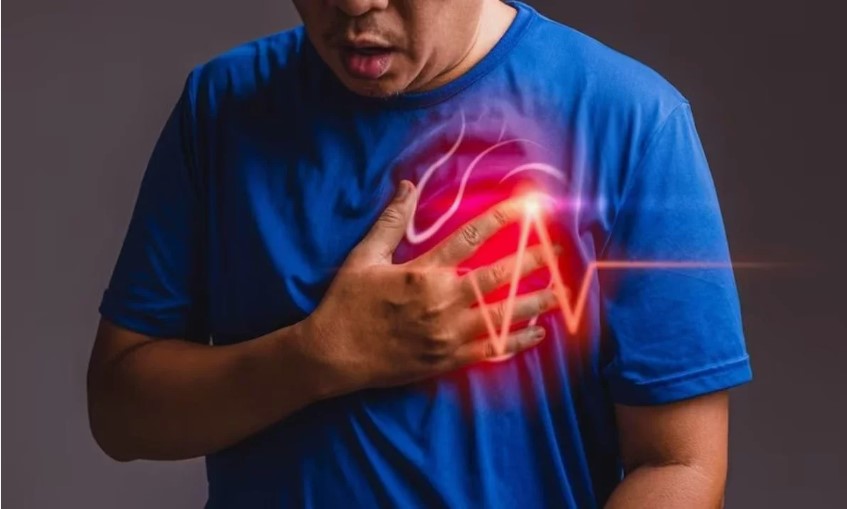
This is the most well-known symptom. It typically feels like pressure, squeezing, fullness, or pain in the center or left side of the chest. It may last for more than a few minutes or go away and come back.
Note: Not all heart attacks cause severe chest pain. Some people may feel only mild discomfort, which is why it should never be ignored.
2. Shortness of Breath
Shortness of breath can occur with or without chest pain. You may find it hard to breathe even while resting or doing light activity.
3. Pain in the Arm, Neck, Jaw, or Back
Pain or discomfort radiating to the left arm is a classic symptom. However, the pain can also spread to the right arm, jaw, neck, or back, particularly between the shoulder blades.
4. Nausea, Vomiting, or Indigestion
These symptoms are often misinterpreted as gastrointestinal issues, especially in women. If they are combined with other symptoms like chest discomfort or sweating, they should be taken seriously.
5. Cold Sweats
Breaking out into a cold sweat for no apparent reason is another red flag. This could be your body’s response to stress caused by restricted blood flow to the heart.
6. Dizziness or Lightheadedness
A feeling of lightheadedness, dizziness, or fainting could be due to a drop in blood pressure from a heart that is not pumping effectively.
Uncommon Symptoms (Especially in Women)
Women often experience heart attack symptoms that differ from men. These can include:
- Unusual fatigue
- Sleep disturbances
- Anxiety or a sense of doom
- Pressure in the upper back
- Nausea without chest pain
Because these symptoms are subtle, women may dismiss them or attribute them to less serious conditions, delaying treatment.
Silent Heart Attacks: The Hidden Danger
Some people experience what is known as a "silent heart attack." These attacks may have no obvious symptoms or extremely mild ones. Diabetics, in particular, are at higher risk for silent heart attacks due to nerve damage that can dull pain perception.
Signs of a silent heart attack may include:
- Unexplained fatigue
- Mild chest discomfort
- Shortness of breath
- A general sense of being unwell
Silent heart attacks are dangerous because they often go untreated until complications arise.
What to Do if You Suspect a Heart Attack
If you or someone around you is experiencing any of the symptoms listed above, act fast:
- Call Emergency Services: In Bangladesh, call 999 or your local emergency number immediately.
- Chew an Aspirin: If not allergic and advised by a healthcare provider, chewing one adult-strength aspirin (325 mg) can help thin the blood and reduce damage.
- Stay Calm and Rest: Sit down, rest, and try to remain calm while waiting for emergency responders.
Diagnosis and Treatment
Doctors may use several tests to diagnose a heart attack, including:
- Electrocardiogram (ECG)
- Blood tests (to detect heart enzymes)
- Chest X-ray
- Echocardiogram
- Coronary angiography
Treatment may involve medication, lifestyle changes, or surgical procedures like angioplasty or bypass surgery depending on the severity.
Prevention: Your Best Defense
While not all heart attacks are preventable, you can reduce your risk significantly by:
- Quitting smoking
- Managing blood pressure, cholesterol, and diabetes
- Eating a heart-healthy diet
- Exercising regularly
- Maintaining a healthy weight
- Reducing stress
- Getting regular heart checkups
When to See a Specialist
If you have a family history of heart disease, high blood pressure, or cholesterol issues, you should consult a cardiologist for regular heart screenings and risk assessments. A specialist can help you understand your heart health and take the right preventive measures.
If you're based in Bangladesh and looking for the Best Cardiologist in Dhaka, make sure to choose a board-certified heart specialist with a proven track record in treating cardiovascular diseases. Getting expert care at the right time can make all the difference.
Final Thoughts
Heart attacks can be sudden, terrifying, and even fatal, but many lives can be saved with early detection and proper treatment. Knowing the symptoms, especially the less obvious ones, empowers you to act quickly. Always listen to your body, and never ignore the signs it gives you.
Heart health is a journey, and it starts with awareness. Stay informed, stay healthy, and consult with a qualified cardiologist if you experience any unusual symptoms.
- Category : Blogpage
- 2025-05-28
- Views : 143
-
Understanding Polycystic Ovary Syndrome (PCOS) Symptoms: What You Need to Know
Polycystic Ovary Syndrome, commonly known as PCOS, is one of the most prevalent hormonal disorders affecting women of reproductive age worldwide. Despite its common occurrence, many women remain unaware of its symptoms, causes, and potential complications. Recognizing the symptoms early is crucial for managing PCOS effectively and preventing long-term health problems.
In this blog post, we will explore the various symptoms of PCOS, why they occur, and when to seek medical advice. If you are experiencing any of these symptoms, consulting with a Gynecologist can help you get an accurate diagnosis and personalized treatment plan.
What is Polycystic Ovary Syndrome (PCOS)?
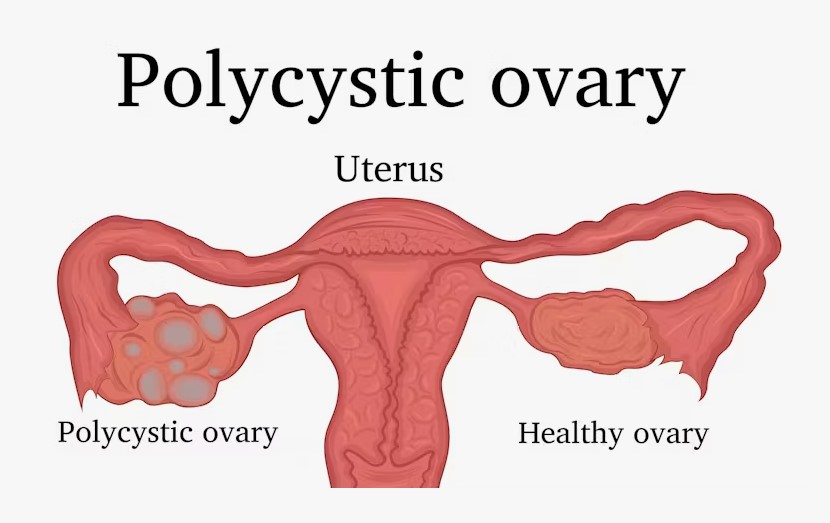
PCOS is a complex hormonal disorder characterized by an imbalance of reproductive hormones. This imbalance causes problems in the ovaries, such as the development of small cysts (fluid-filled sacs), irregular ovulation, and increased levels of male hormones (androgens). These hormonal disruptions affect menstrual cycles, fertility, metabolism, and overall well-being.
Though the exact cause of PCOS is not fully understood, factors such as genetics, insulin resistance, and inflammation are believed to play significant roles.
Common Symptoms of PCOS
PCOS symptoms can vary widely among women and may develop gradually. Some women may experience only a few mild symptoms, while others may face several severe manifestations. Here are the most common symptoms associated with PCOS:
1. Irregular Menstrual Cycles
One of the hallmark signs of PCOS is irregular or absent menstrual periods. Women with PCOS may experience:
- Infrequent periods (fewer than eight per year)
- Prolonged menstrual cycles (more than 35 days)
- Missed periods or no menstruation at all (amenorrhea)
- Very heavy or very light periods when they do occur
This irregularity is mainly due to the failure of the ovaries to release eggs regularly (anovulation).
2. Excess Androgen Levels
Elevated levels of androgens, or male hormones, are common in PCOS. Symptoms caused by excess androgens include:
- Hirsutism: Excessive hair growth on the face, chest, back, or abdomen, often coarse and dark.
- Acne: Persistent, severe acne or oily skin.
- Male-pattern baldness: Thinning hair or hair loss on the scalp.
These symptoms can cause significant emotional distress and affect self-esteem.
3. Polycystic Ovaries
As the name suggests, many women with PCOS develop multiple small cysts on their ovaries. These cysts are actually immature follicles that have not developed properly. Polycystic ovaries can be detected via ultrasound and are often associated with ovarian enlargement.
4. Weight Gain and Difficulty Losing Weight
Many women with PCOS struggle with weight gain or obesity, particularly around the abdomen. Insulin resistance, common in PCOS, contributes to this problem by making it harder for the body to use insulin effectively, which can increase fat storage.
5. Insulin Resistance and Related Symptoms
Insulin resistance can lead to higher insulin levels in the blood, which may cause:
- Fatigue and low energy
- Increased hunger and cravings, especially for carbohydrates
- Darkened skin patches (acanthosis nigricans), particularly around the neck, armpits, and groin
If untreated, insulin resistance may progress to type 2 diabetes.
6. Fertility Issues
Because PCOS disrupts ovulation, many women experience difficulty conceiving. Irregular or absent ovulation means fewer opportunities for fertilization, leading to infertility or subfertility.
7. Mood Changes and Mental Health Concerns
Hormonal imbalances and the physical symptoms of PCOS can lead to psychological effects such as:
- Depression
- Anxiety
- Mood swings
- Low self-esteem
Addressing mental health is an important part of managing PCOS.
8. Other Symptoms
- Sleep disturbances such as sleep apnea
- Pelvic pain
- Thinning of scalp hair
- Skin tags around the neck or underarms
When to See a Doctor?
If you notice symptoms such as irregular periods, excessive hair growth, unexplained weight gain, or difficulty conceiving, it is important to consult a healthcare professional. Early diagnosis and treatment can help manage symptoms and reduce the risk of complications such as diabetes, heart disease, and endometrial cancer.
To get the best care tailored to your needs, consider consulting the best gynecologist in Dhaka, who can perform necessary tests and recommend appropriate treatment options.
Diagnosis of PCOS
Diagnosis is typically made through a combination of:
- Medical history and symptom review
- Physical examination (including checking for excess hair growth, acne, and weight)
- Blood tests to measure hormone levels
- Pelvic ultrasound to look for cysts on the ovaries
Doctors often use the Rotterdam criteria, which require two of the following three for a diagnosis:
- Irregular or absent ovulation
- Elevated androgen levels or clinical signs of excess androgens
- Polycystic ovaries on ultrasound
Treatment Options
While there is no cure for PCOS, various treatments can help control symptoms and improve quality of life:
- Lifestyle changes: Weight loss through diet and exercise can improve insulin resistance and restore ovulation.
- Medications: Birth control pills to regulate periods, anti-androgen drugs to reduce hair growth, insulin-sensitizing drugs like metformin, and fertility treatments if pregnancy is desired.
- Hair removal therapies: Laser or electrolysis for unwanted hair.
- Mental health support: Counseling or therapy for mood-related symptoms.
Final Thoughts
PCOS is a complex condition with a broad spectrum of symptoms that can significantly impact a woman’s health and well-being. Awareness and early intervention are key to managing this disorder effectively.
If you suspect you might have PCOS or are struggling with symptoms, don’t hesitate to reach out to a Gynecologist who can guide you through diagnosis and treatment to help you regain control of your health.
- Category : Blogpage
- 2025-05-27
- Views : 70
-
What is Osteoporosis? Understanding the Silent Bone Disease
Osteoporosis is often called the “silent disease” because it can progress without any symptoms until a bone fracture occurs. It is a major public health concern affecting millions worldwide, especially older adults. But what exactly is osteoporosis? How does it develop, who is at risk, and what can be done to prevent or treat it?
In this detailed blog post, we will explore everything you need to know about osteoporosis — its causes, symptoms, diagnosis, treatment, and prevention. If you or a loved one is concerned about bone health, consulting an Orthopedic Doctor can provide expert guidance and care tailored to your needs.
What is Osteoporosis?
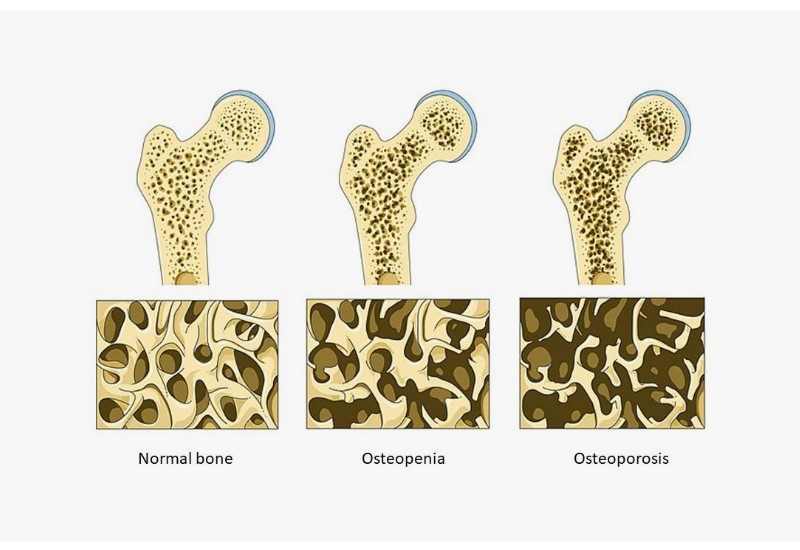
Osteoporosis is a medical condition characterized by weakened bones that become fragile and more prone to fractures. The word “osteoporosis” means “porous bone,” referring to the loss of bone density and quality that occurs with the disease.
Our bones are living tissues that constantly break down and rebuild through a process called remodeling. Osteoporosis happens when the creation of new bone doesn’t keep up with the removal of old bone. This imbalance results in bones that are less dense, thinner, and structurally weaker.
Why is Osteoporosis Called the Silent Disease?
One of the reasons osteoporosis is often called silent is because you typically cannot feel your bones weakening. There are usually no symptoms in the early stages. Many people only discover they have osteoporosis after a bone fracture caused by a minor fall or even routine activities like bending over or coughing.
Common fracture sites due to osteoporosis include:
- Hip
- Spine (vertebrae)
- Wrist
- Pelvis
These fractures can lead to chronic pain, disability, loss of independence, and sometimes even life-threatening complications.
Causes and Risk Factors of Osteoporosis
Bone mass peaks by around age 30, after which it naturally begins to decline. Osteoporosis develops when bone loss accelerates or bone formation slows. Several factors contribute to this imbalance:
1. Aging
Aging is the most significant risk factor. As we age, bones lose calcium and other minerals, making them more fragile.
2. Gender
Women are at a higher risk of osteoporosis, especially postmenopausal women due to a decrease in estrogen, a hormone that protects bone density.
3. Family History
A family history of osteoporosis or fractures can increase your risk.
4. Nutritional Deficiencies
Lack of calcium and vitamin D in the diet reduces bone strength.
5. Sedentary Lifestyle
Lack of physical activity weakens bones and muscles, increasing fracture risk.
6. Medical Conditions and Medications
Certain diseases like rheumatoid arthritis, thyroid disorders, and prolonged use of corticosteroids can contribute to osteoporosis.
7. Smoking and Excessive Alcohol
These habits negatively affect bone health.
Symptoms of Osteoporosis
As mentioned, osteoporosis often has no early symptoms. However, when bones become fragile enough, you might notice:
- Fractures from minor injuries: such as a fall or sudden impact.
- Back pain: caused by fractured or collapsed vertebrae.
- Loss of height over time: due to vertebral compression fractures.
- Stooped posture or kyphosis: a hunched or rounded back appearance.
If you experience any of these, seek medical evaluation promptly.
How is Osteoporosis Diagnosed?
Diagnosis usually involves:
- Bone Mineral Density (BMD) Test: The most common is a DEXA scan (dual-energy X-ray absorptiometry). It measures bone density at the hip and spine and helps determine fracture risk.
- Medical History and Physical Exam: To assess risk factors and symptoms.
- Laboratory Tests: To rule out other causes of bone loss.
Early diagnosis is key to effective management.
Treatment and Management of Osteoporosis
While osteoporosis cannot be completely cured, it can be effectively managed to reduce fracture risk and maintain quality of life. Treatment typically includes:
1. Medications
- Bisphosphonates: Slow bone loss and reduce fractures.
- Selective Estrogen Receptor Modulators (SERMs)
- Hormone Replacement Therapy (HRT) (in selected cases)
- Denosumab and other newer drugs
2. Lifestyle Changes
- Adequate Calcium and Vitamin D intake: Essential for bone health.
- Regular Weight-bearing Exercise: Such as walking, jogging, or resistance training.
- Fall Prevention: Home safety measures and balance training.
- Avoid Smoking and Limit Alcohol
Why See a Specialist?
Osteoporosis management can be complex, involving risk assessment, treatment planning, and monitoring. The expertise of an experienced orthopedic doctor is invaluable in this process.
If you suspect you might have osteoporosis or want to assess your bone health proactively, it’s crucial to consult the best Orthopedic Doctor. They can guide you through diagnosis, recommend effective treatments, and help you implement lifestyle changes to protect your bones.
Preventing Osteoporosis: Tips for Strong Bones
- Eat a balanced diet rich in calcium (dairy, leafy greens, fortified foods).
- Get enough vitamin D (sun exposure, supplements if needed).
- Engage in regular physical activity.
- Avoid smoking and limit alcohol.
- Maintain a healthy weight.
- Get regular health checkups, especially if you have risk factors.
Final Thoughts
Osteoporosis may be silent, but its consequences are significant. Awareness, early detection, and appropriate management are the keys to maintaining strong, healthy bones throughout your life.
Don’t wait for a fracture to take action. Consult an Orthopedic Doctor today to evaluate your bone health and take proactive steps towards preventing osteoporosis.
- Category : Blogpage
- 2025-05-27
- Views : 341
-

Best Eye Specialist in Dhaka.
When it comes to protecting your vision and ensuring long-term eye health, choosing the best eye specialist in Dhaka is essential. Whether you're dealing with blurry vision, cataracts, glaucoma, or simply need a routine check-up, the right professional care can make all the difference. The best eye doctor in Dhaka offers advanced diagnostic tools, personalized treatment plans, and compassionate care to help you maintain clear and healthy eyesight.
In this blog, we highlight the top ophthalmologists in Dhaka who are known for their expertise and excellence in eye care. We also guide you to the best eye hospital in Dhaka and provide a complete list of recommended eye specialist in Dhaka to help you find the ideal eye care professional for your needs.

Assistant Professor Dr. Md. Mahfujullah
Eye Specialist
MS(Eye), MBBS, BCS(Health), Assistant Professor (Oculoplasty), Eye specialist, Phaco & Oculoplastic Surgeon.
Chamber Address: House# 24, Road# 8, Block# A, Bakshiganj Tower, Mirpur-12, Bus Stand (South Point School Nearest), Dhaka-1216.
View doctor profile Click here
For serial call 01740-486123 (10:00 AM to 07:00 PM, Excluding Fridays)
Lt. Colonel Dr. ABM Shawkat Hayat
Eye Specialist
MBBS, FCPS (Eye) Fellow Oculaplasty, Faco Surgeon Cataract, Tumor, squint-eyed, Ocular specialist, Classified eye specialist and surgeon, CMH, Dhaka.
Chamber Address: House: 51-54, Road: 01 & 02, Block: D, Shahidbag, Mirpur-12, 1216.
View doctor profile Click here
For serial call 01740-486123 (10:00 AM to 07:00 PM, Excluding Fridays)

Assistant Professor Dr. Zakia Yasmin Yuthi
Eye Specialist
MBBS, D-Ophth (BSMMU), Assistant Professor (Ophthalmology), Brahmanbaria Medical College and Hospital.
Chamber Address: 1246/1-C/15 West Agargaon, Sher-e-Bangla Nagar, Dhaka – 1207.
View doctor profile Click here
For serial call 01740-486123 (10:00 AM to 07:00 PM, Excluding Fridays)
.jpg)
Prof. Dr. Md. Farhad Hossain
Eye Specialist
MBBS DO (DU) FCPS (Ophthalmology) Ph.D. (Pediatric Ophthalmology), ICO (London) Long Term Fellow (Pediatric Ophthalmology) Professor & Head of Ophthalmology Department, Universal Medical College Hospital, Dhaka.
Chamber Address: 74G/75, Pea-cock Square, New Airport Road, Dhaka 1215.
View doctor profile Click here
For serial call 01740-486123 (10:00 AM to 07:00 PM, Excluding Fridays)
.jpg)
Dr. Mohammad Shariful Islam
Eye Specialist
MBBS, D-Ophth, BCS (Health) EMO, National Institute of Ophthalmology & Hospital.
Chamber Address: 1246/1-C/15 West Agargaon, Sher-e-Bangla Nagar, Dhaka – 1207.
View doctor profile Click here
For serial call 01740-486123 (10:00 AM to 07:00 PM, Excluding Fridays)

Dr. Swapan Kumar Biswas
Eye Specialist
MBBS, DO (BSMMU), FCPS (Eye), FP Fellow Medical in vitro-retina Senior Consultant, OSB Eye Hospital, Mirpur-2, Dhaka.
Chamber Address: Plots 1,2,3 BNSB Building, Kalwalapara, Mirpur-1, Dhaka-1217.
View doctor profile Click here
For serial call 01740-486123 (10:00 AM to 07:00 PM, Excluding Fridays)
- Category : Doctors
- 2025-05-21
- Views : 541
-
.jpg)
Spine Surgery Types, Recovery, Risks, and Benefits
Spine surgery is a significant medical procedure often considered only when other treatments like medication, physical therapy, or lifestyle changes fail to relieve back pain or spinal issues. In this blog, we will discuss in-depth about spine surgery types, recovery, risks, and benefits, along with useful resources for further guidance.
What is Spine Surgery?
Spine surgery is a procedure performed to correct structural issues in the spine, which could result from degenerative diseases, trauma, herniated discs, spinal stenosis, or scoliosis. Modern spine surgery techniques have advanced significantly, offering both minimally invasive and traditional open surgical options.
If you’ve been experiencing chronic back pain, numbness in limbs, or reduced mobility, you might be a candidate for spine surgery. Always consult a qualified spine specialist in Bangladesh to determine the best course of action.
Types of Spine Surgery
Different types of spine surgery target specific spinal issues. The appropriate procedure depends on your diagnosis, age, medical condition, and symptoms.
✅ 1. Discectomy
- Purpose: Removes a herniated disc pressing on a spinal nerve.
- Used for: Sciatica, slipped disc.
- Surgical type: Can be done as open or minimally invasive surgery.
✅ 2. Laminectomy
- Purpose: Removes part of the vertebral bone (lamina) to relieve pressure on spinal nerves.
- Used for: Spinal stenosis.
- Recovery: Requires 4–6 weeks of rest and rehabilitation.
✅ 3. Spinal Fusion
- Purpose: Joins two or more vertebrae to stabilize the spine.
- Used for: Degenerative disc disease, scoliosis, fractures.
- Note: May reduce spinal flexibility but relieves pain.
✅ 4. Vertebroplasty & Kyphoplasty
- Purpose: Treat spinal compression fractures.
- Method: Inject bone cement to stabilize fractured vertebrae.
- Benefit: Minimally invasive with fast recovery.
✅ 5. Artificial Disc Replacement
- Purpose: Replaces damaged spinal disc with a prosthetic disc.
- Alternative to: Spinal fusion, especially for younger patients.
- Benefit: Retains spinal mobility.
✅ 6. Foraminotomy
- Purpose: Widen the space where nerves exit the spine.
- Used for: Nerve root compression symptoms like tingling, weakness.
Spine Surgery Recovery Process
Immediate Post-Operative Care
- Hospital stay ranges from 1–5 days, depending on the type of surgery.
- Pain management and infection control are key during the first few days.
Recovery at Home
- Gradual increase in physical activity.
- Use of braces or supports as recommended.
- Physical therapy is essential for muscle strengthening and flexibility.
Full Recovery Timeline
- Minimally invasive surgeries: Recovery within 4–6 weeks.
- Open spine surgeries: Full recovery may take 3–6 months.
Tip: Always follow your surgeon’s post-op instructions closely. Skipping rehab can delay recovery and reduce surgery success.
Risks Associated with Spine Surgery
While most spinal surgeries are safe and effective, as with any procedure, they carry some risks:
Common Risks:
- Infection
- Bleeding or blood clots
- Nerve injury
- Anesthesia complications
- Persistent pain or incomplete symptom relief
Rare but Serious Risks:
- Spinal fluid leak
- Implant failure or displacement
- Adjacent segment degeneration
- Paralysis (very rare)
Important: Choosing an experienced spine surgeon significantly reduces the risk of complications. You can consult trusted professionals via SeraDoctor.com.
Benefits of Spine Surgery
Despite the risks, spine surgery offers many benefits, especially for individuals who have tried all conservative treatments without success.
Key Benefits:
- Pain relief from chronic back or neck pain
- Improved mobility and flexibility
- Correction of deformities like scoliosis
- Increased independence in daily activities
- Prevents worsening of nerve damage
Also Read: Spine Surgery Cost in Bangladesh.
Tips for Successful Spine Surgery Recovery
- Choose a skilled surgeon: Look for credentials, experience, and patient reviews.
- Commit to physical therapy: Rehab speeds recovery and strengthens the spine.
- Maintain healthy weight: Reduces stress on the spine post-surgery.
- Avoid smoking and alcohol: These can delay healing.
- Stay active (as advised): Movement helps circulation and prevents stiffness.
When Should You Consider Spine Surgery?
You may be a candidate for spine surgery if:
- You have severe, persistent back or neck pain.
- You’ve tried physiotherapy, medications, and lifestyle changes without success.
- You have nerve-related symptoms like tingling or numbness.
- You are diagnosed with spinal instability, stenosis, disc herniation, or scoliosis.
Still unsure? Use the online appointment service on SeraDoctor.com to consult with a specialist in your city.
FAQs – Spine Surgery Types, Recovery, Risks & Benefits
1. Is spine surgery safe?
Yes, spine surgery is generally safe, especially when performed by experienced surgeons using modern techniques.
2. How painful is spine surgery recovery?
Post-surgery discomfort is normal but can be managed with medication and physiotherapy.
3. Can I walk after spine surgery?
Yes, most patients are encouraged to walk within 24–48 hours post-surgery under supervision.
4. Will I need a brace after surgery?
In some cases, yes. Your doctor will prescribe one if spinal stability needs additional support.
Final Thoughts
Spine surgery is a life-changing decision that can bring relief, mobility, and a better quality of life. By understanding the types, recovery process, risks, and benefits, you can make informed choices about your health. Whether you're dealing with a herniated disc, spinal stenosis, or deformity, modern surgical techniques offer safe and effective solutions.
- Category : Blogpage
- 2025-05-19
- Views : 198
-
.jpg)
Hernia Symptoms, Types & Treatment – Everything You Need to Know
A hernia is a common medical condition affecting people of all ages. It occurs when an internal organ or tissue pushes through a weak spot in the surrounding muscle or connective tissue. While some hernias may be painless and harmless, others can lead to severe complications if left untreated. In this blog, we will cover hernia symptoms, types & treatment, along with causes, risk factors, and prevention tips.
What is a Hernia?
A hernia occurs when a part of the intestine or fatty tissue bulges through a weak area in the abdominal wall or muscle. It often appears as a visible lump, especially when straining or lifting heavy objects. Hernias are most commonly found in the abdominal or groin areas.
Common Hernia Symptoms
Hernias vary in size and severity. While some are painless, others can cause significant discomfort.
Typical Hernia Symptoms:
- A bulge or lump in the affected area (groin, abdomen, or near the navel)
- Pain or discomfort, especially when bending, coughing, or lifting
- Heaviness or pressure in the abdomen
- Weakness or burning sensation at the site
- In some cases, nausea or vomiting (if the hernia becomes strangulated)
Important: If the hernia becomes trapped (incarcerated) or cuts off blood supply (strangulated), it becomes a medical emergency.
Types of Hernia
There are several types of hernias depending on their location and cause. Here are the most common ones:
✅ 1. Inguinal Hernia
- Most common type
- Occurs in the groin area
- More frequent in men than women
✅ 2. Umbilical Hernia
- Appears near the belly button
- Common in infants but can occur in adults
✅ 3. Incisional Hernia
- Occurs at the site of a previous surgical incision
- Caused by weakened scar tissue
✅ 4. Hiatal Hernia
- Happens when part of the stomach pushes into the chest through the diaphragm
- Can cause acid reflux and heartburn
✅ 5. Femoral Hernia
- Occurs just below the groin
- More common in women
- Risk of strangulation is higher
✅ 6. Epigastric Hernia
- Appears between the belly button and chest
- Usually small but can cause discomfort
What Causes a Hernia?
Understanding the causes of hernia can help with prevention and early detection.
Common Causes:
- Straining during bowel movements or urination
- Chronic coughing or sneezing
- Heavy lifting without proper technique
- Obesity or rapid weight gain
- Poor nutrition or smoking (which weakens tissues)
- Previous abdominal surgery
- Congenital weakness in abdominal wall (present from birth)
How is a Hernia Diagnosed?
A hernia is usually diagnosed through a physical examination. Your doctor may ask you to cough or strain while standing to detect the bulge. In some cases, additional tests are recommended.
Diagnostic Methods:
- Physical exam (the first and most common method)
- Ultrasound (to identify smaller or internal hernias)
- CT scan or MRI (for complex or hidden hernias)
- Endoscopy (for diagnosing hiatal hernias)
Hernia Treatment Options
The treatment of hernia depends on the type, size, and severity of symptoms. Small and painless hernias may only need monitoring, but most require surgical repair.
1. Watchful Waiting
- Suitable for small, non-painful hernias
- Regular monitoring to track changes
2. Non-Surgical Options
- Wearing a truss or hernia belt (temporary relief)
- Lifestyle changes (for hiatal hernia):
- Avoid spicy foods
- Eat small meals
- Don’t lie down after eating
3. Surgical Treatment (Hernia Repair)
a) Open Hernia Surgery
- A cut is made over the hernia site
- The bulging tissue is pushed back, and the muscle wall is repaired
b) Laparoscopic Surgery
- Minimally invasive
- Uses small incisions and a camera
- Faster recovery and less pain
Modern hernia surgeries are safe and effective with a short hospital stay. Most patients return to normal life within a few weeks.
If you're looking for expert hernia treatment in Bangladesh, visit Best Hernia Surgeon in Dhaka for a list of experienced surgeons and hospitals near you.
Risk Factors for Developing a Hernia
- Male gender (especially for inguinal hernias)
- Aging (muscles become weaker)
- Obesity
- Chronic cough or constipation
- Pregnancy
- Family history of hernias
Can a Hernia Be Prevented?
While not all hernias are preventable, you can reduce your risk by following healthy habits:
????️ Prevention Tips:
- Avoid heavy lifting or use proper technique
- Maintain a healthy weight
- Eat high-fiber foods to prevent constipation
- Quit smoking (to avoid coughing and weakened tissues)
- Strengthen abdominal muscles with regular exercise
When to See a Doctor
Seek immediate medical help if you experience:
- Sudden, intense abdominal or groin pain
- A hernia that becomes red, tender, or non-reducible
- Nausea or vomiting with a hernia bulge
Delaying treatment for a strangulated hernia can lead to life-threatening complications.
FAQs – Hernia Symptoms, Types & Treatment
1. Can a hernia go away on its own?
No. Hernias don’t heal naturally. Small hernias can be monitored, but most will need surgery eventually.
2. Is hernia surgery risky?
Modern hernia surgery is safe and has a high success rate, especially when done laparoscopically.
3. How do I know if I have a hernia?
If you notice a lump in your abdomen or groin that becomes more visible when standing or straining, consult a doctor.
4. What is the recovery time after hernia surgery?
Recovery typically takes 1–2 weeks for light activity and 4–6 weeks for strenuous activity.
5. Where can I get hernia treatment in Bangladesh?
You can explore trusted doctors and hospitals for hernia treatment at Hernia Surgeon.
Final Words
A hernia may seem like a minor issue, but if left untreated, it can lead to serious health problems. Understanding hernia symptoms, types & treatment helps in early detection and proper management. If you or someone you know is dealing with hernia-related issues, don’t delay a medical consultation. Prompt surgery offers long-term relief and prevents complications.
- Category : Blogpage
- 2025-05-19
- Views : 401
-
.jpg)
Gallbladder Stones Symptoms, Causes & Treatment – Complete Guide
Gallbladder stones, also known as gallstones, are a common health issue that affects people of all ages, especially those over 40. This condition can cause severe abdominal pain and may lead to complications if not treated on time. In this blog post, we will explore everything about gallbladder stones symptoms, causes & treatment, along with prevention tips and available treatment options in Bangladesh.
What Are Gallbladder Stones?
Gallbladder stones, or gallstones, are hardened deposits of digestive fluids that form in your gallbladder. The gallbladder is a small organ located beneath the liver and is responsible for storing bile — a digestive fluid that helps break down fats.
Gallstones can be as small as a grain of sand or as large as a golf ball. Some people may develop just one stone, while others can have many at the same time.
Types of Gallbladder Stones
There are two main types of gallstones:
✅ 1. Cholesterol Gallstones
- The most common type
- Made mostly of undissolved cholesterol
- Can form even if cholesterol levels are normal
✅ 2. Pigment Gallstones
- Dark brown or black in color
- Made of bilirubin (a substance produced from red blood cells)
- Common in people with liver disease or infections
Gallbladder Stones Symptoms
Many people with gallstones don’t experience any symptoms. This is known as "silent" gallstones. However, when a stone blocks a bile duct, it can cause sudden and intense pain.
Common Gallbladder Stone Symptoms:
- Sudden pain in the upper right abdomen
- Pain between shoulder blades or in the right shoulder
- Nausea and vomiting
- Bloating, indigestion, or gas after meals
- Fever or chills (if there’s an infection)
- Jaundice (yellowing of the skin and eyes)
Note: The pain caused by gallstones is called a gallbladder attack or biliary colic, and it often occurs after eating fatty meals.
What Causes Gallbladder Stones?
Understanding the gallbladder stone reason is crucial for both treatment and prevention. Gallstones form when:
Major Gallbladder Stone Reasons:
- Too much cholesterol in bile
When the liver secretes more cholesterol than bile can dissolve. - Excess bilirubin production
Occurs due to liver disease, infections, or certain blood disorders. - Poor gallbladder emptying
If the gallbladder doesn't empty completely or often enough, bile becomes concentrated. - Diet and lifestyle
A high-fat, low-fiber diet and obesity increase the risk. - Hormonal factors
Pregnancy, birth control pills, and hormone therapy can raise cholesterol levels in bile.
Risk Factors Include:
- Being female and over 40
- Obesity or rapid weight loss
- Diabetes
- Family history of gallstones
- Sedentary lifestyle
How Are Gallbladder Stones Diagnosed?
Diagnosis usually starts with a clinical evaluation followed by imaging tests.
Common Diagnostic Methods:
- Ultrasound – the most accurate and non-invasive test
- CT Scan – to detect complications
- HIDA Scan – to assess gallbladder function
- Endoscopic Ultrasound (EUS) – for small stones not visible on ultrasound
- Blood Tests – to check for infection or liver problems
Gallbladder Stones Treatment Options
The treatment of gallbladder stones depends on the symptoms and severity of the condition. Asymptomatic gallstones usually don’t need treatment, but symptomatic cases may require medical or surgical intervention.
1. Conservative Management
- Dietary changes (low-fat diet, increased fiber intake)
- Pain relievers
- Observation (in the case of silent stones)
2. Medications
- Oral bile acid pills (ursodeoxycholic acid) to dissolve cholesterol stones
Note: Takes months or years to work and stones may return.
3. Surgical Treatment (Cholecystectomy)
The most effective and common treatment for gallstones.
✅ Types of Surgery:
- Laparoscopic Cholecystectomy
- Minimally invasive
- Short recovery time
- Performed under general anesthesia
- Open Cholecystectomy
- Traditional surgery
- Required in complicated cases
Alternative Procedure:
- ERCP (Endoscopic Retrograde Cholangiopancreatography)
- Used to remove stones from bile ducts (not gallbladder)
Read more: Gallbladder Stone Operation Cost in Bangladesh
Can Gallbladder Stones Be Prevented?
While not all gallstones can be prevented, you can reduce your risk with some lifestyle changes.
✅ Gallstone Prevention Tips:
- Maintain a healthy weight
- Eat a balanced, low-fat, high-fiber diet
- Avoid rapid weight loss
- Stay physically active
- Drink plenty of water
- Limit refined carbs and sugar
FAQs – Gallbladder Stones
1. What is the main cause of gallbladder stones?
The main reason is an imbalance in bile components—usually excess cholesterol or bilirubin.
2. What are the first signs of gallbladder stones?
Pain in the upper right abdomen, bloating, and indigestion are early signs.
3. Is surgery necessary for gallbladder stones?
Not always. Silent stones don’t require surgery, but symptomatic stones often do.
4. Can gallstones be treated without surgery?
Yes, small cholesterol stones may be treated with medication, but recurrence is common.
5. Is gallbladder removal risky?
Gallbladder removal is a common and safe procedure with a high success rate.
Read more: Best Laparoscopic Surgeon in Dhaka.
Final Words
Gallbladder stones symptoms, causes & treatment are crucial topics for anyone experiencing abdominal pain or digestive discomfort. While gallstones are common, timely diagnosis and proper management can prevent serious complications like gallbladder infection or bile duct blockage.
If you're showing symptoms or at risk, consult a doctor promptly. With modern treatment options available in Bangladesh, managing gallbladder stones has become easier and more accessible than ever.
- Category : Blogpage
- 2025-05-19
- Views : 502
-
ঢাকার সেরা ইউরোলজি বিশেষজ্ঞ ডাক্তার ও সার্জনদের তালিকা।
ঢাকায় ইউরোলজি বা মূত্রনালীর রোগ নিয়ে সঠিক চিকিৎসা পেতে অনেকেই অভিজ্ঞ ইউরোলজি বিশেষজ্ঞ ডাক্তার ও সার্জনের খোঁজ করেন। কিডনি, মূত্রাশয়, প্রোস্টেট ও পুরুষ জননাঙ্গ সম্পর্কিত নানা জটিল রোগের আধুনিক ও কার্যকর চিকিৎসার জন্য সঠিক ডাক্তার নির্বাচন অত্যন্ত গুরুত্বপূর্ণ।
এই ব্লগে আমরা আপনাদের জন্য তুলে ধরেছি ঢাকার সেরা ইউরোলজি বিশেষজ্ঞ ডাক্তার ও সার্জনদের একটি নির্ভরযোগ্য তালিকা, যারা দীর্ঘদিন ধরে রোগীদের সেবা দিয়ে আসছেন দক্ষতা ও আন্তরিকতার সঙ্গে।
.jpg)
ডা: মোহাম্মদ সাইফুল ইসলাম
ইউরোলজিস্ট
এমবিবিএস, বিসিএস (স্বাস্থ্য), এমএস (ইউরোলজি) (কিডনী, মূত্রনালী, মূত্রথলী, প্রস্টেট, পুরুষ যৌনতন্ত্র রোগ বিশেষজ্ঞ ও সার্জন) ইউরোলজিস্ট এন্ড এন্ডোলজিস্ট ন্যাশনাল ইনস্টিটিউট অব কিডনী ডিজিজেস এন্ড ইউরোলজিস্ট শেরে বাংলা নগর, ঢাকা-১২০৭।
কিডনি, মূত্রনালী, মূত্রথলী, হাৰ্নিয়া, প্রোস্টেট,অন্ডকোষ ও পুং প্রজননতন্ত্র সার্জারী বিশেষজ্ঞ।
চেম্বারের ঠিকানা: প্লট-১০, রোড-৪/৫, ব্লক-বি, সেকশন-১২, কালশী রোড, ঢাকা-১২১৬।
ডাক্তারের প্রোফাইল দেখতে ক্লিক করুন
সরাসরি ডাক্তারের পরামর্শ নিতে যোগাযোগ করুন - ০১৭৪০-৪৮৬১২৩ (সকাল ১০:০০ টা হতে সন্ধ্যা ০৭:০০ টা, শুক্রবার ব্যাতিত)
.jpeg)
অধ্যাপক ডাঃ মোঃ সাইফুল ইসলাম (সেলিম)
ইউরোলজি বিশেষজ্ঞ এবং সার্জন
এমবিবিএস, এমএস (ইউরোলজি), অ্যান্ড্রোলজি ও ফিমেল ইউরোলজি, কিডনি, মূত্রাশয়, প্রস্টেট সমস্যা, পুরুষ সেড, বন্ধ্যাত্ব বিশেষজ্ঞ সার্জন, অধ্যাপক, বঙ্গবন্ধু শেখ মুজিব মেডিকেল বিশ্ববিদ্যালয় (প্রাক্তন পিজি)।
চেম্বারের ঠিকানা: ৩৮১/এ। পশ্চিম রামপুরা ডিআইটি রোড, ঢাকা।
ডাক্তারের প্রোফাইল দেখতে ক্লিক করুন
সরাসরি ডাক্তারের পরামর্শ নিতে যোগাযোগ করুন - ০১৭৪০-৪৮৬১২৩ (সকাল ১০:০০ টা হতে সন্ধ্যা ০৭:০০ টা, শুক্রবার ব্যাতিত)
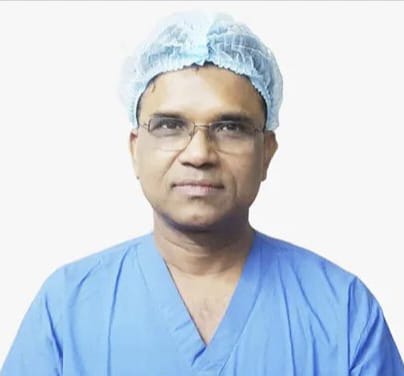
অধ্যাপক ডাঃ নিতাই পদ বিশ্বাস
ইউরোলজি বিশেষজ্ঞ এবং সার্জন
এমবিবিএস, এমআরসিএস (যুক্তরাজ্য), এফসিপিএস (সার্জারি), এবং এমএস (ইউরোলজি), অধ্যাপক, ইউরোলজি বিভাগ, জাতীয় কিডনি রোগ ও ইউরোলজি ইনস্টিটিউট।
চেম্বারের ঠিকানা: বাসা-০১, রোড-০৫, ব্লক-এ, সেকশন-০৬, মিরপুর, ঢাকা ১২১২।
ডাক্তারের প্রোফাইল দেখতে ক্লিক করুন
সরাসরি ডাক্তারের পরামর্শ নিতে যোগাযোগ করুন - ০১৭৪০-৪৮৬১২৩ (সকাল ১০:০০ টা হতে সন্ধ্যা ০৭:০০ টা, শুক্রবার ব্যাতিত
.jpg)
প্রফেসর ডাঃ মোঃ শওকত আলম
ইউরোলজিস্ট
এমবিবিএস, এমআরসিএস, (ইউকে) শ এমএস (ইউরোলজি) ডব্লিউ এইচ, ফেলোশিপ ইন অ্যাডমিটেড ইউরোলজি অ্যান্ড কিডনি ট্রান্সপ্লান্টেশন (ইডিআইএ) অধ্যাপক, ইউরোলজি বিভাগ, ন্যাশনাল ইনস্টিটিউট অফ কিডনি ডিজিজেস অ্যান্ড ইউরোলজি, শেরেবাংলা নগর, ঢাকা।
চেম্বারের ঠিকানা: বাড়ি নং – 16, সেক্টর – 7, রবীন্দ্র স্বরানী, উত্তরা, ঢাকা-1230 (ইউনিট-1) বাড়ি নং – 40, সেক্টর – 7, রবীন্দ্র স্বরানী, উত্তরা, ঢাকা-1230 (ইউনিট-2)
ডাক্তারের প্রোফাইল দেখতে ক্লিক করুন
সরাসরি ডাক্তারের পরামর্শ নিতে যোগাযোগ করুন - ০১৭৪০-৪৮৬১২৩ (সকাল ১০:০০ টা হতে সন্ধ্যা ০৭:০০ টা, শুক্রবার ব্যাতিত

সহযোগী অধ্যাপক ডাঃ মোঃ সুহেল রেজা
ইউরোলজিস্ট, জেনারেল সার্জন, ল্যাপারোস্কোপিক বিশেষজ্ঞ সার্জন
এমবিবিএস, এফসিপিএস (সার্জারি) এমএস (ইউরোলজি) জেনারেল, ল্যাপারোস্কোপিক, এন্ডোস্কোপিক লেজার সার্জন এবং ইউরোলজিস্ট সহযোগী অধ্যাপক এবং ইউনিট প্রধান (ইউরোলজি বিভাগ) জাতীয় কিডনি রোগ ও ইউরোলজি ইনস্টিটিউট (এনআইকেডিইউ) কিডনিতে পাথর, মূত্রনালী, মূত্রাশয়, হার্নিয়া, প্রোস্টেট, বন্ধ্যাত্ব, ইউরোলজিস্ট এবং সার্জন।
চেম্বারের ঠিকানা: মালিবাগ মোড়, জেমকন টাওয়ার, ঢাকা।
ডাক্তারের প্রোফাইল দেখতে ক্লিক করুন
সরাসরি ডাক্তারের পরামর্শ নিতে যোগাযোগ করুন - ০১৭৪০-৪৮৬১২৩ (সকাল ১০:০০ টা হতে সন্ধ্যা ০৭:০০ টা, শুক্রবার ব্যাতিত

সহকারী অধ্যাপক ডাঃ মারুফ আহমেদ
ইউরোলজি বিশেষজ্ঞ এবং সার্জন
এমবিবিএস, বিসিএস (স্বাস্থ্য), এমএস (ইউরোলজি) কিডনি, মূত্রনালী, মূত্রাশয়, প্রোস্টেট রোগ, পুরুষ লিঙ্গ ও বন্ধ্যাত্ব চিকিৎসা বিশেষজ্ঞ এবং সার্জন এন্ডোস্কোপিক, ল্যাপারোস্কোপিক এবং লেজার সার্জন সহকারী অধ্যাপক, ইউরোলজি বিভাগ শহীদ সোহরাওয়ার্দী মেডিকেল কলেজ ও হাসপাতাল, ঢাকা।
চেম্বারের ঠিকানা: প্লট-১০, রোড-৪/৫, ব্লক-বি, সেকশন-১২, কালশী রোড, ঢাকা-১২১৬।
ডাক্তারের প্রোফাইল দেখতে ক্লিক করুন
সরাসরি ডাক্তারের পরামর্শ নিতে যোগাযোগ করুন - ০১৭৪০-৪৮৬১২৩ (সকাল ১০:০০ টা হতে সন্ধ্যা ০৭:০০ টা, শুক্রবার ব্যাতিত)
.jpg)
সহকারী অধ্যাপক ডাঃ ইমতিয়াজ এনায়েত উল্লাহ
ইউরোলজি বিশেষজ্ঞ এবং সার্জন
এমবিবিএস, বিসিএস (স্বাস্থ্য), এমএস (ইউরোলজি), সহকারী অধ্যাপক (ইউরোলজি), এনআইকেডিইউ।
চেম্বারের ঠিকানা: প্লট নং ২৯ ও ৩০, ব্লক -খা, সেকশন -৬, মেইন রোড - ১, মিরপুর রোড, ঢাকা ১২১৬।
ডাক্তারের প্রোফাইল দেখতে ক্লিক করুন
সরাসরি ডাক্তারের পরামর্শ নিতে যোগাযোগ করুন - ০১৭৪০-৪৮৬১২৩ (সকাল ১০:০০ টা হতে সন্ধ্যা ০৭:০০ টা, শুক্রবার ব্যাতিত)
সহকারী অধ্যাপক ডাঃ খান নজরুল ইসলাম
ইউরোলজি বিশেষজ্ঞ এবং সার্জন
এমবিবিএস (ঢাকা), বিসিএস (স্বাস্থ্য), এমএস (ইউরোলজি), সহকারী অধ্যাপক (ইউরোলজি), কিডনি, মূত্রাশয়, মূত্রাশয়, প্রোস্টেট এবং পুরুষ প্রজনন ব্যবস্থার রোগ বিশেষজ্ঞ এবং সার্জন, জাতীয় কিডনি রোগ ও ইউরোলজি ইনস্টিটিউট, শেরেবাংলা নগর, ঢাকা।
চেম্বারের ঠিকানা: বাড়ি ৫১-৫৪, রোড ০১ এবং ০২, ব্লক-ডি, শহীদবাগ, মিরপুর -১২, ঢাকা-১২১৬।
ডাক্তারের প্রোফাইল দেখতে ক্লিক করুন
সরাসরি ডাক্তারের পরামর্শ নিতে যোগাযোগ করুন - ০১৭৪০-৪৮৬১২৩ (সকাল ১০:০০ টা হতে সন্ধ্যা ০৭:০০ টা, শুক্রবার ব্যাতিত)
সহকারী অধ্যাপক ডাঃ তানবীর আল-মিসবাহ
ইউরোলজি বিশেষজ্ঞ এবং সার্জন
এমবিবিএস, এমএস (ইউরোলজি), ইউরোলজিস্ট, কিডনি, মূত্রাশয়, প্রোস্টেট এবং মূত্রনালীর রোগ এবং ক্যান্সার বিশেষজ্ঞ, পুরুষ যৌন সমস্যা এবং বন্ধ্যাত্ব বিশেষজ্ঞ এবং কিডনি প্রতিস্থাপন বিশেষজ্ঞ, সহকারী অধ্যাপক।
চেম্বারের ঠিকানা: বাড়ি ২৩, ২৪ এবং ২৬, লেক ড্রাইভ রোড, সেক্টর ০৭, উত্তরা, ঢাকা-১২৩০।
ডাক্তারের প্রোফাইল দেখতে ক্লিক করুন
সরাসরি ডাক্তারের পরামর্শ নিতে যোগাযোগ করুন - ০১৭৪০-৪৮৬১২৩ (সকাল ১০:০০ টা হতে সন্ধ্যা ০৭:০০ টা, শুক্রবার ব্যাতিত)
ইউরোলজি বিশেষজ্ঞ কে?
ইউরোলজি বিশেষজ্ঞ হলেন সেই চিকিৎসক যাঁরা পুরুষ ও নারী উভয়ের মূত্রনালী, কিডনি, প্রোস্টেট, মূত্রথলি এবং পুরুষ প্রজনন তন্ত্রের রোগ নির্ণয় ও চিকিৎসায় পারদর্শী। তাঁরা ঔষধ থেকে শুরু করে সার্জারি পর্যন্ত বিভিন্ন ধরনের চিকিৎসা করেন।
ইউরোলজি বিশেষজ্ঞ যেসব রোগ দেখেন:
-
কিডনি পাথর
-
প্রস্রাবের সমস্যা (বারবার প্রস্রাব, পেশাবে জ্বালা, প্রস্রাব আটকে যাওয়া)
-
প্রোস্টেট গঠন বা প্রোস্টেট ক্যান্সার
-
ইউরিনারি ইনফেকশন (মূত্রনালীর সংক্রমণ)
-
পুরুষ বন্ধ্যাত্ব ও যৌন সমস্যা
-
মূত্রথলীর সমস্যা ও ক্যান্সার
-
মূত্রনালীতে বাধা বা ফ্যালস
-
পুরুষদের সেক্সুয়াল ডিসফাংশন
-
কিডনি টিউমার ও কিডনি ব্যর্থতা
-
নেফ্রোটিক সিনড্রোম
কখন ইউরোলজি বিশেষজ্ঞ দেখানো উচিত?
-
প্রস্রাবে বার বার সমস্যা হলে
-
পেশাবে জ্বালা বা পীড়া হলে
-
পেশাব আটকে যাওয়া বা ধীর গতিতে পেশাব হলে
-
পায়ের ফুলে ওঠা বা শরীরে পানি জমলে
-
প্রোস্টেট গঠন বা বার্ধক্যজনিত প্রস্রাব সমস্যা হলে
-
কিডনি পাথরের সন্দেহ হলে
-
পুরুষ বন্ধ্যাত্ব বা যৌন সমস্যায়
-
পেশাবের রঙ পরিবর্তন বা রক্ত পড়লে
-
মূত্রনালীর ব্যথা বা কোনো গাঁঠ ধরা পড়লে
ইউরোলজি রোগ নির্ণয়ের জন্য পরীক্ষা:
-
ইউরিনালিসিস ও কালচার
-
আল্ট্রাসনোগ্রাম (USG)
-
সিটি স্ক্যান (CT Scan)
-
মূত্রনালী বা ব্লাড টেস্ট
-
সিস্টোস্কোপি (মূত্রনালী ও মূত্রথলীর অভ্যন্তরীন পরীক্ষা)
-
ব্লাড প্রেসার ও কিডনি ফাংশন টেস্ট
-
প্রোস্টেট স্পেসিফিক অ্যান্টিজেন (PSA) টেস্ট
ইউরোলজি বিশেষজ্ঞ সম্পর্কিত
প্রশ্ন ১: কিডনি পাথর হলে কি দ্রুত ইউরোলজিস্ট দেখানো উচিত?উত্তর: হ্যাঁ, পাথরের আকার ও অবস্থান অনুসারে চিকিৎসা দরকার, দেরি করলে সমস্যা বাড়তে পারে।প্রশ্ন ২: প্রোস্টেট গঠন হলে কি সার্জারি জরুরি?উত্তর: ছোট গঠন হলে ঔষধে নিয়ন্ত্রণ সম্ভব, বড় হলে সার্জারি প্রয়োজন হতে পারে।প্রশ্ন ৩: পুরুষ বন্ধ্যাত্বের জন্য কি ইউরোলজিস্টই দেখেন?উত্তর: হ্যাঁ, ইউরোলজিস্ট পুরুষ বন্ধ্যাত্বসহ বিভিন্ন প্রজনন সমস্যা দেখেন।প্রশ্ন ৪: ইউরোলজিস্ট কি সার্জারি ছাড়া চিকিৎসা দেন?উত্তর: অনেক রোগ ঔষধ ও লাইফস্টাইল পরিবর্তনে নিয়ন্ত্রণযোগ্য, তবে জটিল ক্ষেত্রে সার্জারি করতে হতে পারে।প্রশ্ন ৫: ইউরোলজিস্টের পরামর্শ নিতে কখন দেরি করবেন না?উত্তর: পেশাবে রক্ত, ব্যথা, বা অনিয়মিততা দেখা দিলে দ্রুত বিশেষজ্ঞের কাছে যাওয়া উচিত।
উপসংহার
মূত্রনালী, কিডনি ও প্রজনন ব্যবস্থার যেকোনো সমস্যা হলে দ্রুত ইউরোলজি বিশেষজ্ঞ এর পরামর্শ নেওয়া অত্যন্ত জরুরি। সঠিক সময়ে চিকিৎসা নিলে রোগ নিয়ন্ত্রণে রাখা সহজ হয় এবং জীবনযাত্রার মান উন্নত হয়।
- Category : Doctors
- 2025-05-12
- Views : 33777
-
-

Kidney Stones Symptoms, Diagnosis & Treatment – Complete Guide
Kidney stones are a painful urological condition that affects millions worldwide. Whether you’ve already experienced them or want to learn how to prevent them, this blog post will walk you through everything about kidney stones symptoms, diagnosis & treatment. We’ll also include related LSI keywords like renal stones, urinary tract blockage, calcium oxalate stones, and more to help boost search visibility and improve your understanding.
What Are Kidney Stones?
Kidney stones, also called renal calculi or urolithiasis, are hard mineral deposits that form inside the kidneys. These stones are made of salts and minerals—often calcium, oxalate, or uric acid—that crystallize and clump together due to concentrated urine.
Common Causes of Kidney Stones
Several factors can contribute to kidney stone formation:
- Dehydration (low urine output)
- High protein and sodium intake
- Family history of kidney stones
- Obesity or sedentary lifestyle
- Digestive issues like inflammatory bowel disease or gastric bypass
- Certain medications (e.g., diuretics, calcium-based antacids)
Note: Genetics and metabolic disorders also play a major role in stone formation.
Types of Kidney Stones
There are four main types of kidney stones:
1. Calcium Oxalate Stones
The most common type. Often caused by dehydration, high oxalate foods, or high calcium levels.
2. Uric Acid Stones
More common in men and people who consume high-protein diets. These form when urine is too acidic.
3. Struvite Stones
Usually form in response to urinary tract infections. They can grow large and quickly.
4. Cystine Stones
Rare and hereditary, these occur due to a genetic disorder that causes cystine to leak into urine.
Kidney Stones Symptoms
The symptoms of kidney stones can vary based on the size and location of the stone. Some stones cause no symptoms until they move into the ureters.
Common Symptoms Include:
- Severe pain in the back, side, or lower abdomen
- Painful urination or burning sensation
- Blood in urine (hematuria)
- Cloudy or foul-smelling urine
- Frequent urge to urinate
- Nausea and vomiting
- Fever and chills if there’s an infection
Tip: Pain often comes in waves as the stone moves through the urinary tract.
How Are Kidney Stones Diagnosed?
Early and accurate diagnosis is crucial for effective treatment. If you show symptoms of kidney stones, your doctor may order several tests.
Diagnostic Procedures:
✅ 1. Urinalysis
Checks for blood, white blood cells, or crystals in your urine.
✅ 2. Blood Tests
Identifies high levels of calcium, uric acid, or other risk markers.
✅ 3. Imaging Tests
- Ultrasound – safe and commonly used
- CT Scan (Non-contrast) – highly accurate for stone detection
- X-ray (KUB) – can detect larger stones
✅ 4. Stone Analysis
If passed naturally, the stone can be collected and tested to determine its composition.
Kidney Stones Treatment Options
Treatment depends on the stone size, type, and severity of symptoms. Many small stones pass on their own, but larger stones may need medical intervention.
Conservative/Home Treatment (for small stones <5mm)
- Drink plenty of water (2.5–3 liters/day)
- Take prescribed pain relievers (e.g., ibuprofen)
- Alpha-blockers like tamsulosin are used to relax the ureters and help pass stones
Medical & Surgical Treatment for Larger Stones
When stones are too large to pass naturally or cause complications, the following methods are used:
1. Extracorporeal Shock Wave Lithotripsy (ESWL)
- Uses sound waves to break stones into smaller pieces
- Non-invasive and outpatient procedure
2. Ureteroscopy
- A thin scope is inserted through the urethra to remove or break up stones
- Often used for stones stuck in the ureter or bladder
3. Percutaneous Nephrolithotomy (PCNL)
- A small incision is made in the back to directly remove large stones
- Used for complex or stubborn stones
4. Open Surgery
- Rare but used when other treatments fail
- Recommended for very large stones or anatomical abnormalities
Prevention Tips for Kidney Stones
Prevention is key to avoiding recurrence. Lifestyle changes and dietary adjustments can help.
✅ Effective Prevention Measures:
- Drink plenty of fluids (especially water)
- Reduce salt and animal protein intake
- Avoid oxalate-rich foods (e.g., spinach, beets, nuts)
- Maintain a healthy weight
- Use prescribed medications if you have recurring stones
Read More: Best Kidney Specialist Doctor.
Frequently Asked Questions (FAQs)
1. Can kidney stones go away on their own?
Yes, smaller stones (less than 5mm) can pass naturally with increased fluid intake and medication.
2. Is kidney stone pain constant?
No. The pain typically comes in waves and may vary depending on the stone's movement.
3. What foods should I avoid with kidney stones?
Limit intake of oxalate-rich foods, salt, red meat, and sugary drinks.
4. How long does it take to recover from kidney stone surgery?
Recovery varies by procedure. ESWL and ureteroscopy have short recovery periods (2–5 days), while PCNL may take a week or more.
5. Do kidney stones come back?
Yes, especially without dietary or lifestyle changes. Regular monitoring and prevention are important.
Final Thoughts
Kidney stones symptoms, diagnosis & treatment are topics everyone should understand—especially those at higher risk. With modern diagnostics and advanced treatments available, you don’t have to suffer. Stay hydrated, eat wisely, and seek medical help at the first sign of symptoms. Early intervention and proper care can help you avoid the pain and complications associated with kidney stones.
- Category : Doctors
- 2025-05-11
- Views : 203
-

PLID Treatment in Bangladesh: Causes, Symptoms, Diagnosis, and Best Treatment Options
Prolapsed Lumbar Intervertebral Disc (PLID) is a common spinal condition that affects thousands of people in Bangladesh every year. Whether caused by injury, lifestyle, or aging, PLID can severely impact a person's quality of life due to chronic lower back pain, leg pain, or even mobility issues. If you're searching for PLID treatment in Bangladesh, this comprehensive guide will help you understand the causes, symptoms, diagnosis methods, and treatment options available in the country.
What is PLID?
PLID stands for Prolapsed Lumbar Intervertebral Disc, which refers to the herniation or bulging of a spinal disc in the lumbar region (lower back). The disc compresses the adjacent nerve roots, leading to pain, numbness, or weakness in the lower limbs.
Related terms :
- Lumbar disc herniation
- Slip disc treatment
- Spinal disc bulge
- Sciatica nerve compression
- Lower back pain treatment
Common Causes of PLID
Understanding the causes of PLID is important for both prevention and management. Here are some common risk factors:
- Sedentary lifestyle or long hours of sitting
- Improper lifting techniques
- Obesity or being overweight
- Degeneration due to aging
- Spinal injuries or accidents
- Smoking, which reduces disc nutrition
Symptoms of PLID
Many PLID patients in Bangladesh delay treatment because they fail to recognize the early symptoms. Here are the signs to look out for:
- Persistent lower back pain
- Pain radiating to the leg (sciatica)
- Numbness or tingling in the foot or leg
- Muscle weakness in lower limbs
- Difficulty walking or standing
- Bladder or bowel dysfunction (in severe cases)
If you experience these symptoms, consult a spine specialist in Bangladesh for early diagnosis.
Diagnosis of PLID in Bangladesh
Hospitals and spine centers across Bangladesh use several diagnostic techniques to confirm PLID:
1. Physical Examination
A spine surgeon may perform clinical tests to assess mobility, reflexes, and nerve function.
2. MRI (Magnetic Resonance Imaging)
The most accurate test for detecting disc prolapse and nerve root compression.
3. CT Scan or X-ray
Used to check structural abnormalities in the spine.
4. Nerve Conduction Study (NCS)
Measures the health and speed of nerve signals, especially in chronic cases.
Many hospitals in Dhaka, Chittagong, and other cities offer these tests at affordable prices.
PLID Treatment in Bangladesh: Best Options
There are two main categories of PLID treatment in Bangladesh – non-surgical and surgical. The choice depends on the severity of the condition.
✅ Non-Surgical Treatments
These are usually the first line of treatment for mild to moderate PLID:
1. Medication
- Pain relievers (NSAIDs)
- Muscle relaxants
- Neuropathic pain medication (e.g., pregabalin)
2. Physiotherapy
- Stretching and strengthening exercises
- Core stabilization training
- Lumbar traction therapy
3. Lifestyle Changes
- Weight management
- Avoiding heavy lifting
- Ergonomic adjustments at work
4. Epidural Steroid Injections
- Corticosteroid injections for pain relief and inflammation control.
✅ Surgical Treatments
Surgery is considered when conservative methods fail after 6-8 weeks, or if the patient develops neurological deficits.
1. Microdiscectomy
- Minimally invasive procedure to remove herniated disc material.
2. Laminectomy
- Removal of part of the vertebra to relieve nerve pressure.
3. Endoscopic Spine Surgery
- Advanced laser-assisted surgery with faster recovery and minimal pain.
Several hospitals in Bangladesh now offer minimally invasive spine surgery with high success rates.
Cost of PLID Treatment in Bangladesh
The PLID treatment cost in Bangladesh varies depending on the type of treatment:
- Consultation Fees: ৳500 – ৳2000
- MRI Test: ৳4000 – ৳8000
- Medication (1 month): ৳1000 – ৳3000
- Physiotherapy (per session): ৳500 – ৳1500
- Surgery (Microdiscectomy): ৳60,000 – ৳4,00,000
Government hospitals offer lower-cost treatment, while private hospitals ensure quicker service and advanced technology.
Best Doctors for PLID Treatment in Bangladesh
You can consult the following specialists for PLID diagnosis and surgery:
- Professor Dr. Md. Shafiul Alam
- Associate Professor Dr. Md. Rafiqul Islam
- Assistant Professor Dr. Kalim Uddin
- Dr. Md. Masum Ali
- Assistant Professor Dr. Md. Zobayed Mia
- Assistant Professor Dr. Md. Khairul Islam
Always choose a board-certified doctor for personalized and safe treatment.
FAQ About PLID Treatment in Bangladesh
1. Is PLID a permanent condition?
No, PLID can often be managed or cured with early treatment and lifestyle changes.
2. Can PLID be treated without surgery?
Yes, most patients recover through medication, physiotherapy, and rest.
3. How long is the recovery period after PLID surgery?
Recovery usually takes 4–6 weeks, depending on the type of surgery and the patient’s health.
4. Is PLID treatment expensive in Bangladesh?
No, PLID treatment is relatively affordable compared to neighboring countries.
5. Can I live a normal life after PLID?
Yes, with proper treatment, exercise, and precautions, most patients return to normal activities.
Final Words
If you or a loved one is suffering from back pain or symptoms of disc prolapse, don’t ignore it. Early intervention can prevent serious complications. Thanks to modern healthcare facilities and expert doctors, PLID treatment in Bangladesh is now more accessible and effective than ever before.
Whether you're in Dhaka, Chittagong, or Sylhet, you'll find top-notch care for spinal disorders near you. Always consult a spine specialist before deciding on any surgical or non-surgical treatment.
- Category : Doctors
- 2025-05-11
- Views : 6199
Popular posts

ঢাকার চর্ম রোগ বিশেষজ্ঞ সেরা ১০ ডাক্তার তালিকা।
- Category : Doctors
- 2023-11-29
- Views : 66361
ঢাকার চর্ম রোগ বিশেষজ্ঞ সেরা ১০ ডাক্তার তালিকা।
ঢাকার সেরা ১০ নিউরোলজি বিশেষজ্ঞ ডাক্তারদের তালিকা
- Category : Doctors
- 2025-04-29
- Views : 65151
ঢাকার সেরা ১০ নিউরোলজি বিশেষজ্ঞ ডাক্তারদের তালিকা

ঢাকার চর্ম ও যৌন রোগ বিশেষজ্ঞ ডাক্তারের তালিকা
- Category : Doctors
- 2022-09-18
- Views : 54578
ঢাকার চর্ম ও যৌন রোগ বিশেষজ্ঞ ডাক্তারের তালিকা