Post Details

Piles, also known as hemorrhoids, are a common yet often uncomfortable condition that affects many individuals, both men and women. Hemorrhoids occur when veins in the rectal or anal area become swollen and inflamed, causing discomfort, pain, itching, and sometimes bleeding. For many women, especially those who have experienced childbirth, hemorrhoids can be particularly distressing due to the additional strain during pregnancy and postpartum recovery.
Finding the right doctor for treating piles is essential for relief and proper management. In Dhaka, there are numerous healthcare professionals specializing in the treatment of piles. Still, many women prefer to consult female doctors for privacy, comfort, and a sense of understanding regarding gender-specific health issues. This blog will provide a comprehensive guide to finding a female piles doctor in Dhaka and discuss treatment options available to women suffering from this condition.
Female piles doctor list in Dhaka

Dr. Shanjidah Haque
Surgery experts, general, laparoscopic, breast and colorectal surgery specialist
MBBS (DU), FCPS (Surgery), CCD, Member of SELSB Surgery Specialist, Ever Care Hospital.
Chamber Address: Plot-10, Road-4/5, Block-B, Section-12, Kalshi Road, Dhaka-1216, Bangladesh.
View doctor profile Click here
For serial call 01740-486123 (10:00 AM to 07:00 PM, Excluding Fridays)
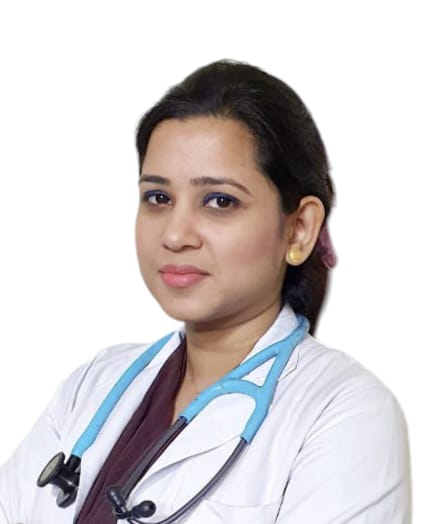
Dr. Sadia Rasul
Breast Surgeon, General Surgeon, Laparoscopic Specialist Surgeon and Colorectal Surgeon
MBBS (Dhaka), MS (General Surgery) Surgery Specialist Bangabandhu Sheikh Mujib Medical University, Dhaka. BMDC Reg: 74564.
Chamber Address: Plot No- 10, Road- 4/5, Block- B, Section- 12, Mirpur, Dhaka- 1216, Bangladesh.
View doctor profile Click here
For serial call 01740-486123 (10:00 AM to 07:00 PM, Excluding Fridays)

Assistant Professor Dr. Ismat Jahan Lima
Breast Surgeon, Colorectal Surgeon, General Surgeon and Surgery Specialist
MBBS, FCPS (Surgery) Gold Medalist MS (Colorectal Surgery) American College of Surgeons Shaheed Sehrawardy Medical College Hospital Specialist in General and Colorectal Surgery.
Chamber Address: Plot No- 10, Road- 4/5, Block- B, Section- 12, Mirpur, Dhaka- 1216, Bangladesh.
View doctor profile Click here
For serial call 01740-486123 (10:00 AM to 07:00 PM, Excluding Fridays)
Associate Professor Dr. Neelima Jahan
Breast Surgeon, Colorectal Surgeon, General Surgeon and Surgery Specialist
MBBS, FCPS (Surgery), Assistant Professor Department of Surgery, Breast and colorectal surgery Shaheed Sehrawardy Medical College Hospital.
Chamber Address: 14/11, Miti Plaza, Mirpur-12, Dhaka 1216
View doctor profile Click here
For serial call 01740-486123 (10:00 AM to 07:00 PM, Excluding Fridays)
Attention: Information is not listed serially based on the Qualification or Designation or Experience of respected doctors on this website, the latest updated information is listed last.
Dear Doctor, If you want to Add, Edit, or Remove your data then E-mail us.
Our E-mail: seradoctorbd@gmail.com
Why Do Women Prefer Female Doctors for Piles Treatment?
Piles treatment can be sensitive, as it involves discussing and examining an intimate area of the body. Many women feel more comfortable sharing their health concerns with a female doctor who may better understand the physical and emotional aspects of the condition, especially during or after pregnancy. A female piles doctor may provide a more empathetic approach to managing hemorrhoids, offering personalized treatment based on the patient’s specific health needs.
Additionally, some women may feel embarrassed or reluctant to discuss symptoms like rectal bleeding, anal pain, or discomfort with a male doctor. Female doctors, particularly those specializing in women's health and gastroenterology, are trained to provide compassionate, confidential, and respectful care, making it easier for women to seek treatment.
Common Causes of Piles in Women
Piles can develop for various reasons, but women may be particularly prone to the condition due to factors like:
- Pregnancy and Childbirth: The increased pressure on the pelvic veins during pregnancy can lead to the development of hemorrhoids. Additionally, straining during childbirth can worsen the condition.
- Chronic Constipation: Women may experience constipation due to hormonal changes, dietary issues, or medications, increasing the risk of developing hemorrhoids.
- Menstruation and Hormonal Fluctuations: Hormonal changes during menstruation can sometimes affect bowel movements, leading to constipation and piles.
- Sedentary Lifestyle: Prolonged sitting or a lack of physical activity, which is common in many urban settings, may lead to the formation of hemorrhoids.
Treatment Options for Piles
Piles can be managed and treated through various methods, ranging from conservative home treatments to surgical interventions, depending on the severity of the condition.
1. Lifestyle Changes
- Dietary Modifications: Increasing fiber intake through fruits, vegetables, and whole grains can help ease bowel movements, reducing the strain that can worsen hemorrhoids. Drinking plenty of water is also essential to prevent constipation.
- Exercise: Regular physical activity can improve blood circulation and reduce the pressure on veins, helping to prevent the formation of piles.
- Proper Hygiene: Keeping the anal area clean and dry can help prevent irritation and infection.
2. Medications
- Topical Creams and Ointments: Over-the-counter creams containing hydrocortisone or witch hazel can reduce itching, inflammation, and discomfort.
- Suppositories: These can be inserted into the rectum to relieve symptoms from within.
- Pain Relievers: Oral pain medications, such as ibuprofen or acetaminophen, can help manage pain and swelling.
3. Minimally Invasive Procedures
- Rubber Band Ligation: A common procedure where a rubber band is placed around the base of the hemorrhoid to cut off blood flow, causing it to shrink and fall off.
- Sclerotherapy: A chemical solution is injected into the hemorrhoid to shrink it.
- Infrared Coagulation: A non-invasive procedure that uses infrared light to shrink hemorrhoids.
4. Surgical Options
- Hemorrhoidectomy: In severe cases, surgical removal of hemorrhoids may be necessary. This is often recommended for large or prolapsed hemorrhoids that do not respond to other treatments.
- Stapled Hemorrhoidopexy: This procedure involves stapling the hemorrhoids back into place and cutting off their blood supply, which causes them to shrink.
Frequently Asked Questions (FAQs)
Q. What are the early signs of piles?
The early signs of piles include itching around the anus, pain or discomfort during bowel movements, and the appearance of small lumps near the anus. Some women may also notice blood on the toilet paper or in the stool after bowel movements.
If you experience any of these symptoms, it’s important to consult a doctor to get an accurate diagnosis and appropriate treatment.
Q. Can pregnancy cause hemorrhoids?
Yes, pregnancy is a common cause of hemorrhoids in women due to the increased pressure on the pelvic veins as the uterus grows.
Hormonal changes during pregnancy can also lead to constipation, which may exacerbate the problem. Postpartum piles are also common due to straining during childbirth.
Q. Are there any risks associated with piles surgery?
Like any surgery, there are risks involved, such as infection, bleeding, and complications related to anesthesia.
However, these risks are relatively low when performed by an experienced surgeon. Minimally invasive procedures tend to have fewer risks and a quicker recovery time compared to traditional surgery.
Q. How can I prevent piles from recurring?
To prevent piles from recurring, it’s important to maintain a healthy lifestyle, including a high-fiber diet, drinking plenty of water, and regular exercise.
Avoiding prolonged sitting, heavy lifting, and straining during bowel movements can also help. If you are prone to constipation, consider using stool softeners or fiber supplements to ease bowel movements.
Conclusion
Piles can be a painful and uncomfortable condition, but with proper care and treatment, relief is possible. For women in Dhaka, finding a female doctor who specializes in piles treatment can provide additional comfort and understanding, especially during sensitive consultations.
The female piles doctors listed in this blog are highly qualified to provide expert care for women suffering from hemorrhoids, offering a range of treatments from conservative management to advanced surgical options.
If you are experiencing symptoms of piles, it’s essential to seek medical attention early to prevent the condition from worsening. With the right treatment plan, you can find relief and return to your normal daily activities without the discomfort of hemorrhoids.


